
Jantar Mantar
-
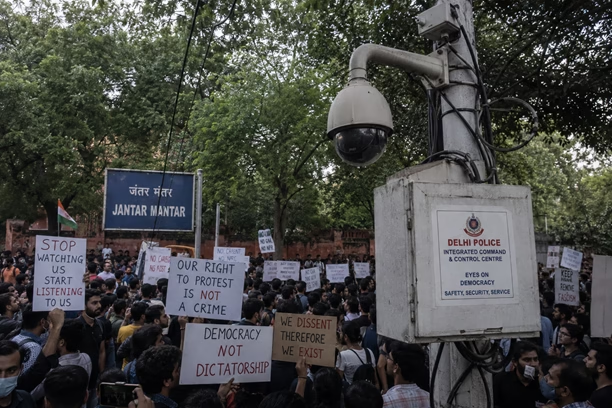
The Right To Protest In The Age Of Artificial Intelligence: Predictive Policing, Facial Recognition, And Democratic Freedoms
Abstract This article critically examines the constitutional implications of the growing deployment of Artificial Intelligence-driven surveillance technologies, particularly facial recognition technology and predictive policing, during public protests in India. Taking the 2026 Jantar Mantar student protests and the ensuing constitutional litigation as its point of departure, the article analyses the intersection of the right to…
-
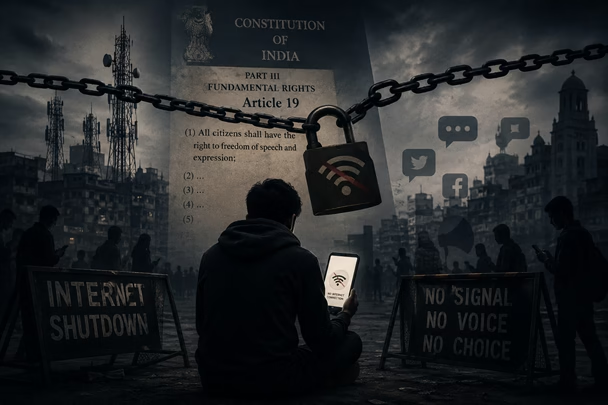
The Invisible Protest: Can Internet Shutdowns Extinguish Article 19 Without Touching The Streets?
Abstract In the summer of 2026, the Internet generation, raised[1] [2] at digital cafes, transformed [3] [4] Jantar Mantar into one of the main spots for the greatest and most impactful mobilizing of the students in India’s recent history. First, it was an expression of disgust toward the supposed exposure of the NEET-UG question paper, followed by other…
-
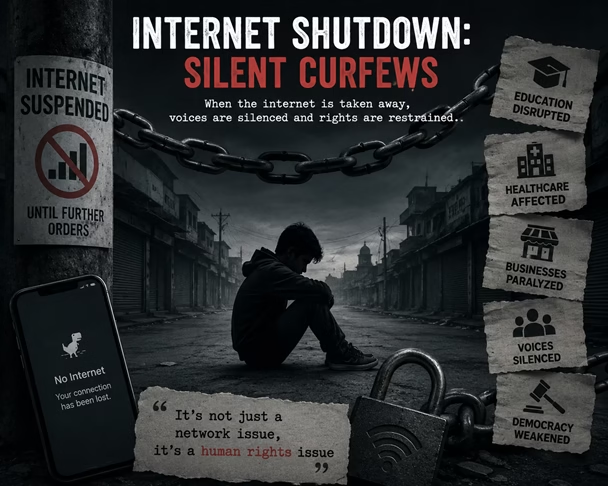
Internet Shutdowns As Silent Curfews: Reimagining Constitutional Limits On Digital Blackouts During Public Protests
Abstract The internet has become an essential part of everyday life and plays an important role in the exercise of constitutional rights. During public protests, however, governments sometimes suspend internet services to maintain public order and national security. This article examines whether such shutdowns are consistent with the constitutional principles of legality, necessity, proportionality and…